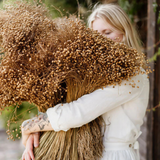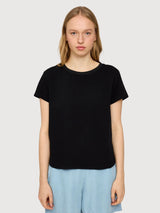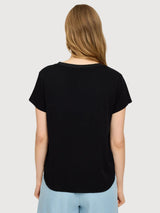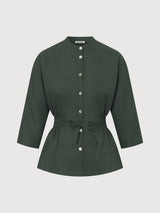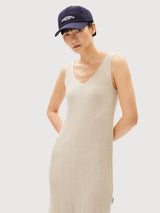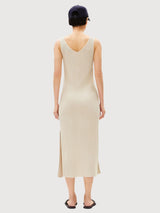

Linen is one of the oldest natural fabrics in the world, yet today it is more popular than ever. Refined, versatile, and eco-friendly, linen is not just a style choice but also a commitment to a more sustainable future. Derived from the flax plant, this material has captivated people for centuries with its authentic texture, durability, and minimal environmental impact.
A Fabric with Ancient Roots and Modern Values
Used since ancient times for clothing, linens, and furnishings, linen has evolved without ever losing its charm. In recent years, it has experienced a true renaissance in the world of design and fashion, thanks to a growing awareness of natural, biodegradable, and responsible materials.
Choosing linen today means choosing an elegant and durable fabric, perfect for tailored garments, handcrafted accessories, and home décor projects.

The Benefits of Linen: Nature, Functionality, and Aesthetics
1. Breathability and Comfort
Linen is highly breathable thanks to its hollow fibers, which allow for natural ventilation. This makes it ideal for hot climates, but surprisingly effective even in winter, where it helps to retain body heat.
2. Freshness and Absorbency
Its fibers quickly absorb moisture without retaining odors. It is perfect for summer clothing and bedding, keeping the skin cool and dry even on the hottest days.
3. Resistance and Longevity
Linen is one of the most robust natural fibers. Linen garments and items are long-lasting and, with washing, become increasingly soft and pleasant to the touch, without losing their strength.
4. Handcrafted and Natural Appearance
Its textured and slightly irregular texture gives an authentic and refined touch to every creation. This ‘lived-in’ look is highly sought after in sustainable fashion and interior design.
5. Hypoallergenic and Antibacterial
Linen is naturally hypoallergenic and antibacterial, suitable even for the most sensitive skin and ideal for healthy and comfortable home environments.
A Naturally Sustainable Fabric
One of the main reasons why linen is so highly prized is its eco-sustainability:
● It requires little water (often just rainwater is enough)
● It does not need intensive pesticides
● It is biodegradable
● It is often processed without harsh chemicals
Compared to cotton, linen has a significantly lower environmental impact, making it a perfect ally for ethical and conscious fashion.
Types of Linen: Which One to Choose?
There are several types of linen, each suitable for specific uses:
● Pure linen: made from 100% linen fiber, it is the most prized. It offers superior aesthetics, freshness, and durability. Ideal for elegant garments and high-quality furnishing fabrics.
● Lightweight linen: perfect for shirts, summer dresses, and scarves. Air, light, and comfort in a fluid and refined fabric.
● Heavy linen: used for upholstery, curtains, tablecloths, and coverings. It gives structure and personality to rooms.
Knowing the weight and weave is essential for choosing the right fabric for each project, combining aesthetics and functionality.
A Fabric for All Seasons
Although often associated with summer, linen is actually a versatile fabric. In spring and summer, it offers lightness and freshness, while in autumn and winter, if well crafted, it helps to retain heat.
Conclusion: Why Choose Linen
Linen is not just a material: it is a choice of style, ethics, and quality. Whether you are creating a sustainable wardrobe, tastefully decorating your home, or making unique sewing projects, linen offers:
● Natural elegance
● Unparalleled comfort
● Durability
● Respect for the environment
In a world that is increasingly mindful of what we wear and use, linen remains a pillar of responsible fashion and design.